
Offering a pre-sale mould inspection might not be the first thing that comes to mind when listing a property, but it’s rapidly becoming a best practice among savvy Australian sellers. Why? Because nothing can ruin a sale faster than a buyer’s discovery of hidden mould—an issue that can raise health concerns, spike repair costs, and undermine buyer confidence.
In this in-depth guide, we’ll explore why pre-sale mould inspections can transform your real estate transaction. We’ll also walk through the inspection process, share the benefits for both sellers and buyers, and show you how including an inspection in your listing can expedite negotiations and reduce the risk of deal-breakers.
Table of Contents
- Why Pre-Sale Mould Inspections Matter
- Understanding the Importance of Mould Checks
- Step-by-Step Guide to a Pre-Sale Mould Inspection
- Key Benefits to Sellers
- Key Benefits to Buyers
- Streamlining the Selling Process with Mould Inspections
- Overcoming Common Objections
- SEO Backlinks Best Practices (and Why They Matter)
- Next Steps
Why Pre-Sale Mould Inspections Matter
A property free of mould (or with professionally handled mould remediation) signals to buyers that the home has been well-maintained. It also shows transparency, which can help differentiate your listing in a competitive market. In fact, many estate agents, mortgage lenders, and prospective buyers now view a recent mould inspection report as a green flag, much like an Energy Performance Certificate (EPC) or gas safety check.
When you proactively address potential mould issues, you remove a major stumbling block in the real estate deal. Instead of waiting for a buyer’s surveyor or third-party inspector to uncover problems—potentially causing fear, renegotiations, or even a collapse of the sale—a pre-sale inspection puts the power back into your hands. Not only does this foster buyer confidence, but it also helps you command a fair asking price based on an informed valuation.
- Mould can develop in the most unexpected spots, from poorly ventilated lofts to damp cellars.
- By tackling the issue upfront, you show prospective buyers that you prioritise health, safety, and quality.
Understanding the Importance of Mould Checks
Mould is not just an unsightly blemish. Depending on the type, it can pose significant health risks. According to experts at the Australia’s NDIS, certain species of mould can aggravate respiratory conditions such as asthma and allergies. Even if there’s no immediate health effect on residents, the presence of mould often indicates underlying moisture or structural problems that can escalate over time.
A Market Edge
Beyond health considerations, early detection of mould provides you with a competitive advantage. While many sellers only focus on the aesthetics of home staging—new paint, tidied gardens, or freshly cleaned carpets—those who also demonstrate structural soundness and good indoor air quality are far more likely to earn buyers’ trust.
Trust Factor
Property purchases are major financial and emotional investments, and buyers want reassurance. A professionally documented mould inspection report can tip the scales in your favour by offering peace of mind. When buyers see you’ve gone the extra mile to verify the property’s condition, they’re less likely to haggle or suspect hidden issues.
Step-by-Step Guide to a Pre-Sale Mould Inspection
If you’ve never experienced a mould inspection, it might feel like a mysterious process. In reality, it’s quite straightforward and typically involves the following steps:
1. Initial Visual Assessment
A professional inspector starts by reviewing all accessible areas of your property. They look for visible signs of mould growth, including dark spots, musty odours, and damp patches. Inspectors often use torches to check crawl spaces, lofts, and other hard-to-reach areas.
Essential Tools:
- Torch or headlamp
- Protective gear (masks, gloves)
- Moisture meters
2. Moisture Detection
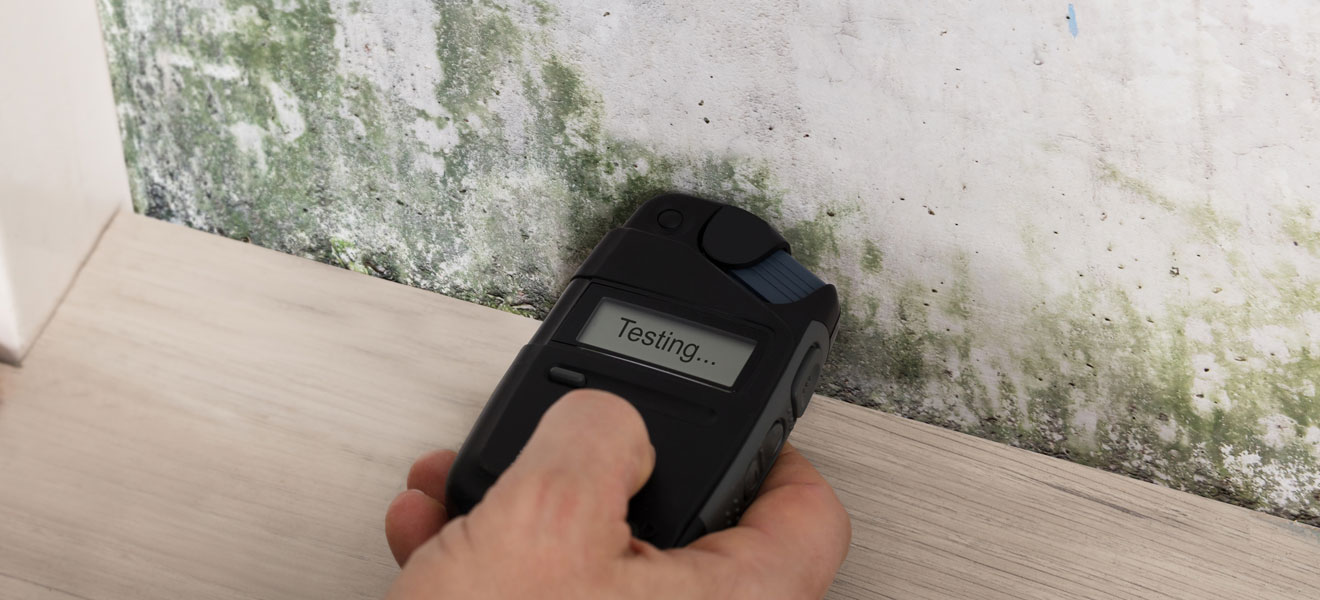
Next, inspectors check for moisture readings that exceed normal indoor levels. Moisture meters help identify hidden dampness in walls, floors, and ceilings—even if the surface appears dry. Some inspectors may use infrared cameras to pinpoint temperature differentials that indicate potential water intrusion.
3. Air Sampling and Surface Testing
If the visual assessment or moisture readings suggest a possible mould presence, the inspector may take air samples or surface swabs. These samples are sent to a laboratory for analysis. Lab reports identify the specific mould type and quantify spore levels, helping determine whether the mould is harmful or merely cosmetic.
Why Lab Testing Matters:
- Confirms the type of mould (e.g., allergenic vs. toxic).
- Helps guide remediation strategies and costs.
- Provides a formal record that buyers and lenders can review.
4. Review of Lab Results
Once lab analysis is complete—typically within a few days—you’ll receive a detailed report. This document outlines what was found, the concentration levels of different mould spores, and recommended remediation strategies if needed.
5. Post-Inspection Actions
Should the inspection uncover notable mould colonies, you’ll have time to address them proactively. Actions might include professional mould remediation, improving ventilation, or repairing a leaky roof or plumbing fixture.
Actionable Tip:
- Keep receipts and documentation of any professional mould removal or repairs.
- Having a “before and after” record helps reassure prospective buyers that issues were resolved.
Key Benefits to Sellers
1. Avoid Last-Minute Deal Breakers
Imagine you’re days away from finalising your sale, only for your buyer’s surveyor to find extensive mould behind the kitchen cabinets. The panic, renegotiations, or collapse of the deal can be incredibly stressful. With a pre-sale mould inspection, you minimise such surprises, keeping your transaction on track.
2. Build Trust and Credibility
In a market where buyers are increasingly cautious, offering a clean bill of health for your property stands out. By addressing mould head-on, you signal honesty, reducing buyer anxiety and instilling confidence. This transparency can lead to stronger offers and a more positive overall experience.
3. Potential for Higher Offers
When buyers see you’ve handled all potential issues upfront, they might be more inclined to offer close to (or above) the asking price. In contrast, if a buyer suspects hidden problems, they’re more likely to submit a lowball offer or walk away entirely.
4. Streamlined Negotiations
With mould details disclosed early, buyers won’t feel blindsided or pressured to renegotiate mid-deal. This can significantly speed up the process, preventing back-and-forth delays.
Key Benefits to Buyers
1. Peace of Mind
For prospective buyers, mould-free certification (or documented remediation) removes a big “what if.” They can confidently proceed knowing the home doesn’t harbour hidden health hazards or structural issues.
2. Clear Understanding of the Home’s Condition
A thorough inspection not only checks for mould but can also reveal water leaks, ventilation issues, or insulation problems. Armed with this knowledge, buyers can make informed decisions about potential maintenance or upgrades down the line.
3. Long-Term Health Security
Mould can aggravate respiratory issues and compromise indoor air quality. Having a professional report offers a clearer picture of whether the home is truly safe for families, particularly if someone has allergies or asthma.
4. Transparency and Trust in the Seller
When sellers proactively share mould inspection findings, buyers interpret this as a sign of good faith. This trust factor can reduce friction and help the deal progress without suspicion or paranoia about hidden flaws.
Streamlining the Selling Process with Mould Inspections
Faster Negotiations
Time is money in real estate. The faster you can close, the less you’ll spend on mortgage payments for a home you’re trying to sell. By eliminating or reducing inspection contingencies, you remove potential roadblocks that could drag out the negotiation phase.
Reduced Contingencies
A buyer often includes inspection contingencies in their offer to safeguard themselves against unpleasant surprises. When you already have an up-to-date mould inspection, you effectively give the buyer fewer reasons to include these contingencies or at least shorten the timeframe for them.
Avoid Relisting
A failed sale due to undisclosed mould can taint your property’s reputation. Once a property is relisted, potential buyers may wonder why the first deal collapsed. This stigma can reduce demand or lead to lower offers.
Quick Tip:
- Keep digital copies of inspection and remediation reports.
- Share them with serious buyers or upload them as part of the property’s online listing for maximum transparency.
Common Objections
Despite the benefits, some sellers hesitate to conduct a pre-sale mould inspection. Let’s tackle a few common concerns:
“It’s Too Expensive”
While a professional inspection can cost a few hundred pounds, the potential savings far outweigh the initial outlay. Detecting and fixing mould issues before listing can save you thousands in price reductions or lost deals.
“I’ve Never Seen Mould in My Home—It’s Unnecessary”
Mould can flourish in hidden areas, especially in older Australian homes with less-than-ideal insulation or ventilation. Just because you haven’t noticed it doesn’t mean it’s not there. A professional can confirm your property is truly mould-free.
“It Will Delay My Listing”
A standard mould inspection typically takes only a few hours, with lab results arriving within days. You can schedule this in tandem with other pre-sale preparations like cleaning, staging, or minor repairs, so it doesn’t delay your marketing timeline.
Next Steps
Pre-sale mould inspections aren’t just an optional add-on; they’re a strategic move that can set your property apart in a crowded Australian market. By investing a little time and money upfront, you’re effectively offering buyers peace of mind, boosting your credibility, and reducing the chance of last-minute complications.
Here’s your action plan:
- Book a Professional Inspection: Schedule it alongside other pre-sale tasks for minimal disruption.
- Review the Findings: If mould is detected, address it promptly and keep a clear record of any remediation.
- Showcase Your Transparency: Provide the inspection report to serious buyers and highlight it in your property listings.
- Leverage It in Negotiations: Use the report to streamline contingencies and speed up the deal.
By following these steps, you’ll not only protect your property’s value but also stand out as a trustworthy seller. And if you’re a buyer, be sure to ask for a mould inspection or review an existing one so you can move forward with total confidence.