
Mould can creep up on even the most diligent homeowners. One day, you spot a small patch near the bathroom window; the next, you’re dealing with musty odours and discoloured walls in multiple rooms. When that happens, the question arises: should you tackle the removal yourself, or is it time to call the professionals? DIY vs. professional mould remediation is a hotly debated topic, especially in Australia’s diverse climates—ranging from humid coastal areas to cooler, wetter regions.
In this in-depth guide, we’ll explore the pros and cons of do-it-yourself (DIY) mould removal versus hiring expert help. We’ll dive into cost comparisons, health implications, and clear signs that it’s best to hand the reins over to the pros. By the end, you’ll have all the information you need to make an informed decision about mould remediation in your home.
Table of Contents
- Understanding the Basics of Mould
- DIY Mould Remediation: Pros and Cons
- Professional Mould Remediation: Pros and Cons
- Cost Comparisons and Time Investment
- Health Risks of Improperly Handling Mould
- When to Call the Pros
- Conclusion & Next Steps
1. Understanding the Basics of Mould
What Causes Mould?
Mould is a type of fungus that thrives in damp, humid conditions. In Australia, certain regions—like the tropical north—are prone to high moisture levels, while cooler southern areas might deal with condensation from heavy rains. The common thread? Excess moisture. Whether it’s a leaky pipe, poorly ventilated bathroom, or condensation around windows, moisture creates the perfect environment for mould to flourish.
Key Triggers for Mould Growth:
- High humidity or poorly ventilated spaces
- Leaky roofs, windows, or plumbing
- Flood damage or persistently damp rooms
- Condensation in cooler seasons
Common Warning Signs
While some types of mould are visible (greenish-black patches or fuzzy growth), others might be hidden behind walls, ceilings, or carpets. Here are a few signs you shouldn’t ignore:
- Musty Odours: A persistent earthy or damp smell often indicates hidden mould.
- Discolouration on Walls or Ceilings: Yellowish stains or dark spots can point to mould colonies.
- Allergy Flare-Ups: Unexplained coughing, sneezing, or respiratory irritation may be linked to mould spores in the air.
For a deeper dive, consult resources from the Australian Government’s Department of Health on mould awareness and prevention.
2. DIY Mould Remediation: Pros and Cons
One of the first instincts homeowners have when they see mould is to try cleaning it themselves. After all, how hard can it be to scrub a bit of grime off the wall? Let’s break it down.
Pros
- Cost Savings
Let’s face it: hiring professionals can be pricey. When you tackle mould on your own, you skip labour fees and might only pay for basic cleaning supplies like sponges, white vinegar, or store-bought mould removers. - Immediate Action
If you notice a small mould patch, you can act right away—no waiting around for quotes or scheduling an appointment. A quick wipe-down or application of a fungicidal spray could help stop the spread before it escalates. - Home Maintenance Experience
DIY mould removal can be a good learning opportunity, boosting your confidence for future home maintenance tasks. You’ll gain insight into potential moisture sources, from minor leaks to condensation issues.
Cons
- Limited Expertise
Most homeowners are not mould experts. You may tackle the visible mould but overlook hidden colonies. Or you might fail to address the root cause (e.g., a chronic leak or poor ventilation). This often leads to recurring outbreaks. - Health Risks
Mould spores can irritate your eyes, nose, and lungs. Without proper protective gear or containment strategies, you risk inhaling spores or dispersing them into the air, affecting other rooms or even your HVAC system. - Time-Consuming
Scrubbing mouldy surfaces is just one piece of the puzzle. You also need to dry the area thoroughly and fix whatever moisture problem triggered the growth in the first place. These tasks can consume hours—or days—of your time.
Is DIY Mould Removal Safe?
For very small, surface-level patches (say, under one square metre), a DIY approach might be perfectly fine—provided you use proper protective equipment like gloves, goggles, and a mask. But if you’re dealing with something bigger or recurring, it might be time to rethink.
3. Professional Mould Remediation: Pros and Cons
When the problem seems more extensive or risky, many Australians consider calling in professional mould remediation services. Let’s examine the advantages and potential drawbacks.
Pros
- Advanced Equipment and Techniques
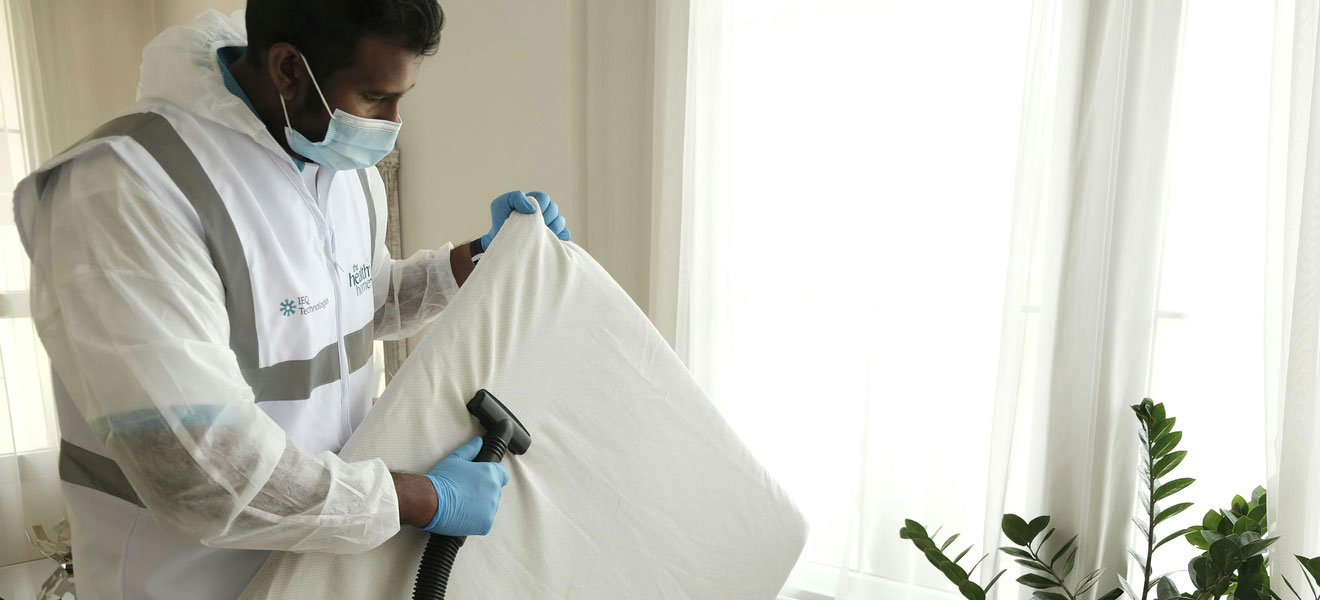
Professional mould remediators use commercial-grade cleaners, negative air pressure machines, and high-efficiency particulate air (HEPA) filters. This equipment effectively contains and eliminates spores. - Comprehensive Assessment
Experts don’t just remove visible mould; they search for hidden issues. They might detect a slow leak inside your walls or a recurring moisture problem in your roof cavity. Identifying and fixing the root cause is crucial to preventing future mould outbreaks. - Guaranteed Results
Reputable companies often provide warranties or certifications. If mould returns within a specified period, they’ll address it without additional charges. This peace of mind can be well worth the investment.
Cons
- Higher Upfront Cost
All that expertise and equipment come at a price. While costs vary, you could easily spend hundreds—or even thousands—of dollars, especially for large-scale infestations. - Scheduling Logistics
If mould has made certain rooms unusable, waiting for professional availability can be frustrating. It’s not uncommon for mould remediators to be booked out during peak seasons (e.g., post-cyclone or flood periods). - Potential for Over-Treatment
While most professionals operate ethically, some may recommend more work than you truly need. Always shop around for quotes and reviews, or ask for a second opinion if the recommended approach seems too aggressive.
4. Cost Comparisons and Time Investment
DIY Cost Breakdown
- Cleaning Supplies: Rags, brushes, bleach or specialised mould removers, and possibly a dehumidifier.
- Protective Gear: Gloves, goggles, and a P2/N95 respirator mask.
- Unexpected Expenses: If you need to replace plasterboard, insulation, or carpet once you discover mould beneath the surface.
Time Investment: DIYers can easily spend days scrubbing, drying, and monitoring affected areas—especially if mould recurs. You’ll also need time to research effective methods and potential causes.
Professional Cost Breakdown
- Inspection or Assessment: Some companies charge a flat fee to assess the extent of the mould problem.
- Labour: Includes the use of professional-grade equipment and specialised remediation strategies.
- Structural Repairs: In severe cases, you might have to replace damaged materials like drywall or floorboards.
Time Investment: Once scheduled, professionals often complete remediation faster. However, you might face delays waiting for their initial availability. Additionally, large infestations might require you to vacate parts of your home temporarily.
5. Health Risks of Improperly Handling Mould
Mould spores are more than just an eyesore. If handled poorly, they can jeopardise your health and that of your family.
Exposure to Spores
Inhaling Mould Spores can trigger allergic reactions, like sneezing, coughing, or itchy eyes. In some cases, individuals with compromised immune systems or pre-existing conditions like asthma may experience more severe complications.
Inadequate Protective Measures
One of the biggest mistakes with DIY mould removal is using subpar protective gear—or none at all. Simple cloth masks don’t necessarily block microscopic spores. If you aren’t careful, you could spread the contamination by carrying spores on your clothing or equipment.
Long-Term Consequences
If you only remove surface mould but fail to address moisture problems, you risk future breakouts. Over time, chronic exposure can impact indoor air quality, contributing to headaches, fatigue, or even more serious respiratory issues. There’s also the possibility of mould infiltrating air ducts, where it can silently circulate throughout your home.
6. When to Call the Pros
So, how do you know when it’s time to hang up the DIY gloves and reach for the phone?
Large-Scale Infestations
If you’re dealing with an infestation that covers more than one square metre, especially if it extends across multiple rooms, that’s a red flag. Large-scale outbreaks can spread behind walls, under flooring, or into your ventilation system.
Structural Damage
Is the wooden framework starting to rot? Are your ceilings or walls showing signs of moisture damage? Mould can weaken structural components of your home. If you notice rot or warping, a professional can evaluate whether the damage is purely superficial or if more invasive repairs are required.
Complex Environments
Commercial buildings, strata properties, or heritage homes present unique challenges. In these settings, you may need specialised assessments or treatments that only qualified professionals can perform. Additionally, if the suspected mould is “black mould” (Stachybotrys chartarum), known for producing mycotoxins, professional containment and removal is often highly recommended.
Ongoing Leaks or Unresolved Moisture Problems
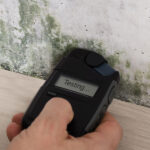
You can scrub mould away all day, but if there’s a hidden leak or ventilation issue, mould will just keep coming back. Professionals use moisture metres and thermal imaging to track down the root cause of mould growth. This level of thoroughness can save you money long-term by preventing repeated remediation efforts.
Next Steps
DIY vs. professional mould remediation doesn’t have a one-size-fits-all answer. Small, manageable surface patches can often be tackled by savvy homeowners willing to don protective gear and do a bit of detective work. However, when mould covers large areas, causes structural damage, or repeatedly reappears, it’s time to bring in the experts.
Here’s Your Action Plan:
- Assess the Scope
- Measure the affected areas. If the mouldy patch is larger than one square metre, consider getting a professional quote.
- Inspect for leaks, condensation, or damage to ensure you address the underlying cause.
- Weigh the Risks
- Evaluate your tolerance for health risks and the time you can invest in a thorough DIY job. If you or a family member has respiratory issues, professional remediation may be the safest choice.
- Get Multiple Quotes
- If you decide to go pro, don’t settle on the first estimate. Ask questions about their method, warranties, and references. A reputable mould remediation company will be upfront about costs and procedures.
- Focus on Prevention
- Regardless of your approach, fix leaks promptly, improve ventilation, and monitor humidity levels. Prevention is always cheaper (and easier) than cure.
Following these steps will help you make a sound decision for your home—and your family’s health. Whether you go DIY or hire a professional, staying proactive with mould prevention is ultimately the best way to keep your indoor environment safe and comfortable.
Browse our list of mould remediation specialists and book in your mould inspection and remediation today.